







Search Results for: extremely hard beans
What Are Extremely Hard Coffee Beans? Understanding Coffee Hardness and Roasting Key Points Through Costa Rica SHB Grade
Costa Rica, with its unique high-altitude volcanic soil and significant day-night temperature difference, nurtures Arabica coffee that is bright in flavor and outstandingly sweet, with the SHB strictly hard bean from the Tarrazú region being the most representative. Starting from Costa Rica's growing conditions, this article will analyze the reasons behind the formation of strictly hard coffee beans, the concept of hardness, and the key points to note during roasting, and combined with the flavor performance of Front Street Coffee's Costa Rican coffee, help coffee enthusiasts gain a more comprehensive understanding of this high-quality coffee grade. [more…]
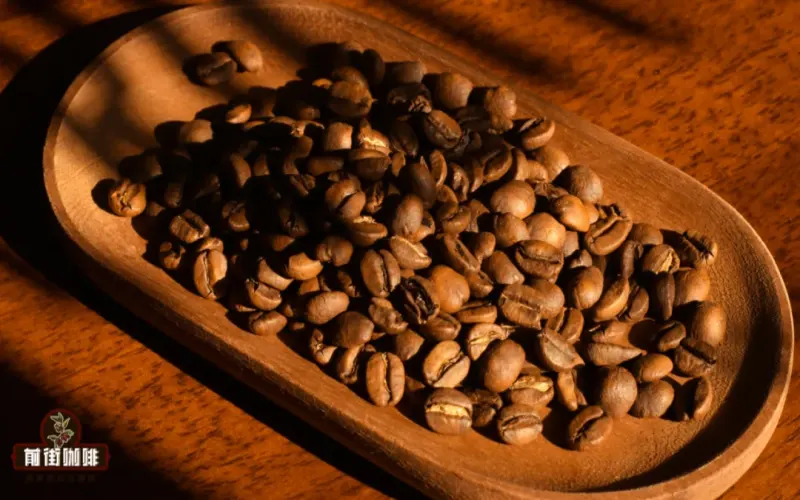
What Exactly Is the Difference Between Hard Beans and Soft Beans? A Full Breakdown of Altitude Grading Logic and Coffee Classification
Baristas often mention hard beans and soft beans, but these two terms actually do not refer to whether the beans feel hard or soft to the touch—they refer to the density of the coffee beans. The concept of hard beans comes from the Central American coffee grading system, which uses altitude as the standard—the higher the altitude, the lower the growing temperature, the slower the coffee fruit matures, the more flavor compounds it accumulates, and the greater the bean density becomes. Panama, Costa Rica, Guatemala, and other countries generally adopt this logic, while Ethiopia, because its overall altitude is high, is almost entirely made up of extremely hard beans and does not need further subdivision by altitude. Of course, although high-density beans are delicious, they also bring more challenges during grinding and brewing. [more…]
Analysis of Water Volume for 15g Pour-Over Coffee: Front Street Coffee Nicaragua High-Grown Extremely Hard Bean Full Berry Process Caturra Flavor and Brewing Guide
How much water should 15 grams of coffee grounds be paired with for pour-over coffee? This article uses Front Street Coffee's Nicaragua high-grown extremely hard bean full berry process Caturra as an example to provide a three-stage pouring plan with 225 grams of water. Although Nicaragua has long been overlooked by Taiwan's coffee scene, its growing conditions are no less favorable than those of other Central American countries. Its coffee is known for being clean and balanced, with light roasts being clean and bright, and dark roasts being sweet and full-bodied. Jinotega, Matagalpa, and Segovia are high-quality producing regions. This Caturra is full of fruit aroma and rich fruit acidity throughout, combining Central American elegance with African boldness. The article also includes complete information on variety, producing region, altitude, processing method, and brewing parameters. [more…]
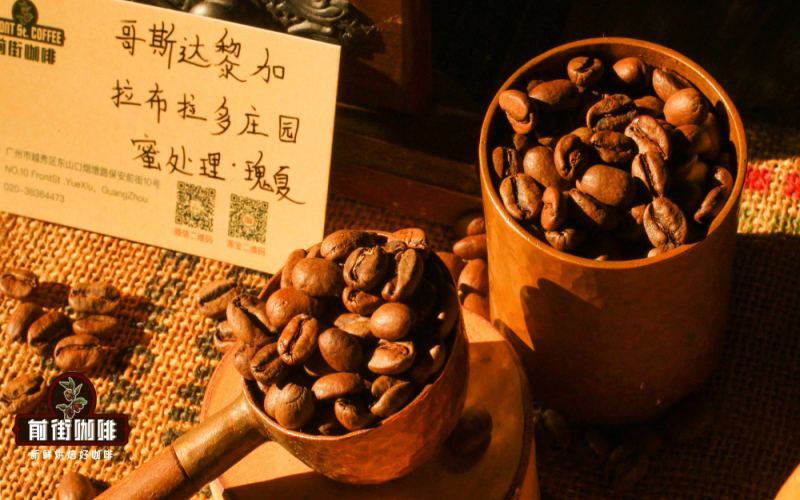
Costa Rican Coffee Bean Flavor Analysis: Honey-Processed Strictly Hard Bean Pour-Over Techniques and巨石 Estate Blueberry
Costa Rican coffee is famous for its honey processing and extremely hard beans, and Front Street Coffee brings you a selection of representative beans. This article approaches the topic through the three major processing methods—washed, natural, and honey—analyzing the basic structure and flavor formation of Costa Rican coffee, with a focus on Tarrazu washed beans and the Blueberry Anaerobic Heavy Honey processed beans from Hacienda El Monstruo. It also explains in detail Costa Rica's raw bean grading standards by altitude, as well as hand-brewing parameter recommendations for high-altitude SHB extremely hard beans, including the V60 dripper, water temperature, coffee-to-water ratio, and three-stage extraction technique, helping coffee lovers brew a rich fruity layering. [more…]
A Detailed Explanation of Costa Rica's Coffee Bean Altitude Classification System and a Recommendation of Mozart Flavor Characteristics
Costa Rican coffee is world-renowned for its balanced, clean, and mild classic style. Its acidity is bright and lively, often with citrus and berry notes, and an elegant coffee floral aroma can still be detected in the aftertaste, giving off an overall serene Latin countryside vibe. Unlike many producing regions, Costa Rica's grading method does not rely on bean size or defect rate, but directly uses the altitude at which the coffee farm is located as the basis for classification, with a total of seven grades. This article will systematically sort out the specific contents of this grading system, introduce the three most common grades in the current specialty coffee market—SHB, HB, and SH—and, combined with the typical flavor performance of the Tarrazú producing region, recommend Front Street Costa Rica Mozart coffee beans, taking you to gain an in-depth understanding of this coffee country that, although small in output, enjoys an outstanding reputation. [more…]
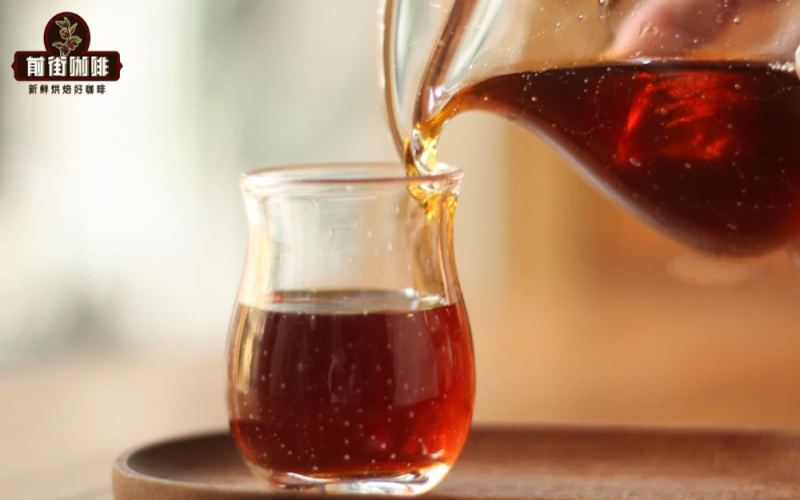
Flavor and Brewing Analysis of Costa Rica Tarrazú Canet Estate Baba Natural Raisin Honey Process Coffee Beans
Costa Rican coffee has always captivated with its sweet, full-bodied, and vibrant style, and honey processing is the signature technique that pushes this high sweetness to the extreme. This article focuses on Front Street Coffee's Costa Rican Baha coffee beans, covering everything from the origin background and variety characteristics to the processing method and roasting curve: the high-altitude terroir of the Tarrazú region, the small-batch meticulous management of the Canet estate, the variety performance of the Bourbon variants Caturra and Yellow Catuai, and how raisin honey processing retains the mucilage and imparts fermented aromas and tropical fruit notes to the beans. The article also includes actual roasting data and cupping flavors, along with V60 pulse-pouring brewing parameters, for coffee enthusiasts to reference and replicate. [more…]
Costa Rica Tarrazú Cañet Estate Bach Coffee Beans: A Complete Guide to Raisin Honey Processing Flavor, Roasting, and Brewing
Costa Rican coffee has always been known for combining sweetness with strength, and honey processing takes that sweetness to the extreme. This article takes you into Canet Estate in the Tarrazu region to learn the story behind Bahia coffee beans—from the history of Costa Rican coffee and the terroir conditions of the Tarrazu region, to the micro-lot management of Canet Estate, and then to the varietal characteristics of the Bourbon-derived Caturra and Yellow Catuai. You will see how raisin honey processing retains 100 percent mucilage with zero water processing, and how Front Street Coffee designs the roasting curve for this double-fermented bean, bringing out the fermented rice wine aroma, tropical fruit, berries, and caramel finish through cupping and V60 brewing. [more…]
Exploring Costa Rica's Tarrazú Region: Coffee Bean Varieties, Grading Standards, and Price Reference
Costa Rica's Tarrazu region is globally recognized as a high-quality coffee-producing area, known for its light, pure flavor and pleasant aroma. This article systematically examines the varieties and characteristics of Costa Rican coffee beans, from the region's history, geographical conditions, and altitude grading standards to specific famous products such as La Minita Tarrazu, and includes Front Street Coffee's brand recommendations and price references, helping enthusiasts gain a comprehensive understanding of the unique appeal of this Central American coffee powerhouse. [more…]

Guatemalan SHB Coffee Flavor Guide: Characteristics of Eight Major Regions Including New Oriente and Front Street Flor de Café Brewing Sharing
Although Guatemala is often overshadowed by Panama in Central American coffee, it has established its own distinctive style with a rich, smooth, mellow flavor interwoven with charcoal roasting and chocolate smoke notes—Antigua coffee is even called "cigarette coffee." From the perspective of Front Street Coffee, this article reviews Guatemala's geography and climate, cultivation history, and the division of its eight major producing regions, focusing on three representative regions: Antigua, Huehuetenango, and New Oriente. It also shares the regional information and staged brewing methods for two Front Street beans—Guatemala Flower God and Huehuetenango—to give you a comprehensive understanding of this Central American coffee-producing country capable of growing extremely hard beans. [more…]
Costa Rica Tank Estate Natural Villalobos Coffee Bean Variety Analysis, Flavor Characteristics, and Front Street Brand Recommendation
Tank Estate in Costa Rica's Central Valley produces a sun-dried Villasarchi coffee bean that has won the favor of many coffee lovers with its outstanding sweetness and soft fruit acidity. As a variant of Typica, Villasarchi performs excellently in high-altitude environments and has strong wind resistance, thriving even in poor soil. This article will comprehensively analyze this coffee from the perspectives of variety origin, origin grading, and estate processing methods, and share Front Street Coffee's recommended brewing parameters and flavor description, taking you deeper into understanding how sun-drying gives the coffee bean layers of caramel, nuts, and lime-like notes. [more…]
Why Is Geisha Coffee So Expensive? Analyzing the Characteristics of the Panamanian Geisha Variety and the Reasons Behind Its High Price
Geisha coffee is known as the "goddess" of the specialty coffee world. Its intense floral and fruity aroma, bright acidity, and lingering aftertaste attract countless enthusiasts. However, Geisha often sells for astronomical prices, and a single cup is hard to come by. This article will guide you through the origin and characteristics of the Geisha variety, analyze the multiple reasons behind its persistently high price, and recommend related products from Front Street Coffee, giving you a comprehensive understanding of this rising coffee star. [more…]
Costa Rica Coffee Brewing Guide: Honey Process Flavor Analysis and Finca El Roca Blueberry Bean Review
Costa Rican coffee occupies an important position in the Central American specialty coffee landscape thanks to its high-altitude volcanic soil and innovative processing methods. Starting from Front Street Coffee's everyday bean—the washed Tarrazú—this article sorts out Costa Rica's eight major producing regions and green bean grading standards, and focuses on analyzing how honey processing gives coffee greater sweetness. It also presents the complete profile of the recently launched Blueberry coffee beans from Hacienda El Roble, along with a three-pour hand-brewing recipe tailored to high-altitude SHB strictly hard beans, including specific parameters such as V60 dripper, water temperature, coffee-to-water ratio, and grind size, helping coffee enthusiasts recreate a rich fruity layering at home. [more…]
Starting from aroma, taste, and freshness, how do specialty coffee enthusiasts judge whether a cup of coffee is excellent
What kind of cup of coffee truly deserves to be called good? We might as well start with something we are all familiar with—tea. Good tea is prized for its rich aroma, complex layers of flavor, and long, sweet finish, and the logic for judging good coffee is in fact much the same. Instant coffee, though convenient, offers only a single flat taste and can hardly rank among good coffees; the Espresso that Starbucks dark-roasts to ensure consistency is also often considered less than ideal by professionals because its burnt bitterness stands out and it lacks complexity. This article systematically sorts through the many dimensions of identifying good coffee—from the production process, green bean quality, and roasting freshness to the drinking experience—to help coffee lovers build a clearer set of standards for judgment. [more…]
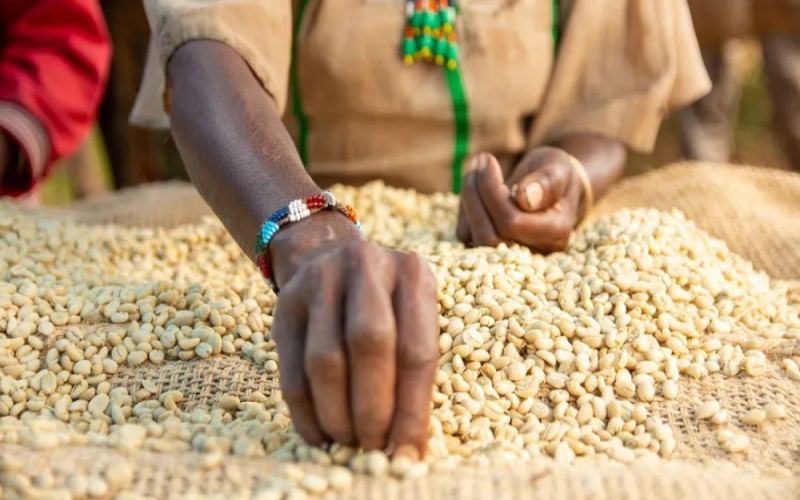
What's the difference between natural and washed Yirgacheffe? A full breakdown of flavor differences, buying tips, and pour-over parameters
Yirgacheffe is a classic region that almost every specialty coffee enthusiast cannot avoid. It offers both the bright citrus acidity and jasmine floral notes brought by the washed process, and the rich fruity aromas and fermented sweetness bestowed by the natural process. The two processing methods differ noticeably in green bean appearance, grade classification, and flavor expression, and the brewing methods they suit also have their own emphases. This article will systematically sort out the differences between natural and washed Yirgacheffe, from the principles of the processing methods, bean appearance characteristics, and taste comparison to roasting approaches and V60 practical parameters, and will also include specific product recommendations from the Front Street brand to help you make a more suitable choice based on your taste preferences. [more…]
Ethiopian Natural Yirgacheffe Aricha: Flavor Analysis and Brewing Guide for a Classic Fruit Bomb
Yirgacheffe Aricha is a highly representative natural-process lot among Ethiopian specialty coffees, renowned for its intense tropical fruit flavors and extremely high sweetness, and hailed by coffee lovers as a "fruit bomb." This article provides a comprehensive analysis of the unique charm of this Front Street natural Yirgacheffe Aricha G1, covering everything from the terroir of the producing region, the background of the processing station, the refined natural process, green bean characteristics, roasting curves, to cupping and brewing parameters. Whether you are a beginner just getting into single-origin coffee or a seasoned enthusiast seeking bright acidity and pronounced berry notes, you will find practical tasting and brewing references here. [more…]
French Press Coffee | What are the differences in coffee flavors of Geisha from different regions? How to use a French press to brew a delicious cup of Geisha coffee?
Kopi Luwak, once one of the top-tier coffees, was so hard to find that a single bean was precious. Today, the newly crowned king of coffee, Geisha, is equally hard to come by. The reason Geisha coffee is so scarce is its high price. If you really do get your hands on a bag of Geisha coffee beans, you'll naturally treat it like a treasure to be savored. However, as someone who is still [more…]

A Complete Guide to the Classification of Hard Beans, Soft Beans, Flat Beans, and Round Beans: Flavor Characteristics of High-Grade Panamanian Coffee
Beyond varietal differences, coffee beans have multiple classification dimensions, which gives rise to many alternative names. This article begins with the appearance-based classification of flat beans and round beans, and focuses on answering the question coffee enthusiasts often ask: what exactly does "hard bean" mean? It originates from a grading system in Central American growing regions that classifies bean hardness by cultivation altitude—the higher the altitude, the greater the density and the higher the grade. The article also shares how to judge bean hardness by feel, the roasting and brewing strategies corresponding to coffee beans of different hardness, and uses actual brewing parameters as examples to illustrate the differences in extraction between high-hardness light-roasted beans and low-hardness dark-roasted beans, helping readers find a suitable brewing approach. [more…]
A Complete Guide to Costa Rica's Coffee Regions: From History and Varieties to Seven Elevation-Based Grades
Why has Costa Rican coffee secured a place for itself on the global specialty coffee map? This article begins with the geography and history of its producing regions, tracing how the volcanic soil and climate conditions of this Central American country shape Arabica beans with bright acidity and balanced flavor. The article will also introduce the characteristics of major cultivated varieties such as Bourbon, Caturra, and Catuai, especially Caturra's performance in adaptability and productivity. Finally, we provide a detailed explanation of Costa Rica's unique coffee bean grading system—divided into seven grades including SHB, HB, and SH based entirely on coffee farm elevation—helping enthusiasts quickly understand the meaning of the abbreviations on bean bags and the quality they indicate. [more…]
The Legendary Bean at the Pinnacle of Central America: A Full Interpretation of the Flavor and Mouthfeel of Panama Sofia Estate Geisha Coffee
On the coffee map of Central America, it is hard to find growing conditions more extreme than those of Finca Sophia—this estate, nestled in the tropical rainforest of Panama at an elevation of 2,100 meters, is one of the highest coffee farms in the region. Since its founding in 2008, it has focused solely on cultivating the legendary Geisha variety, upholding the creed of "quality over quantity," and after eight years of cultivation, it finally welcomed its first harvest season. The results are eye-catching: its first harvest was selected for the United States Good Food Awards, and this May it took first place in the washed Geisha category at the Best of Panama coffee competition. This article will give you a complete interpretation of the unique charm of this cloud-top Geisha, from the estate's origins and sustainable growing philosophy to the flavor expression of the natural-process Geisha—apple, grapefruit, papaya, fig, and bright, juicy acidity. [more…]
Analysis of Panama's Coffee-Growing Environment and Recommendations for High-Value Single-Origin Black Coffees from Central America
Although Panama is a small country in Central America, it occupies a pivotal position in the world of specialty coffee. Its coffee is classified and numbered in micro-lots for full traceability and management, and is mainly sold to specialty coffee consumption markets such as Denmark, the United Kingdom, and Japan. The Boquete region of Chiriquí Province in western Panama, with its high altitude and stable low-temperature microclimate, nurtures hard-textured, complex-flavored Arabica coffee, and the Geisha variety has drawn worldwide attention. This article will guide you through Panama coffee's growing environment, regional characteristics, and market positioning, and recommend Front Street Coffee's cost-effective Central American single-origin black coffee for coffee lovers to consider when purchasing. [more…]